𝐌𝐔𝐒𝐓 𝐡𝐨𝐬𝐭𝐬 𝐄𝐒𝐈𝐀 𝐭𝐫𝐚𝐢𝐧𝐢𝐧𝐠 𝐭𝐨 𝐬𝐭𝐫𝐞𝐧𝐠𝐭𝐡𝐞𝐧 𝐬𝐨𝐜𝐢𝐚𝐥, 𝐞𝐧𝐯𝐢𝐫𝐨𝐧𝐦𝐞𝐧𝐭𝐚𝐥 𝐬𝐭𝐚𝐧𝐝𝐚𝐫𝐝𝐬 𝐢𝐧 𝐌𝐚𝐥𝐚𝐰𝐢
Posted By
James MphandePosted on
23rd Apr, 2026
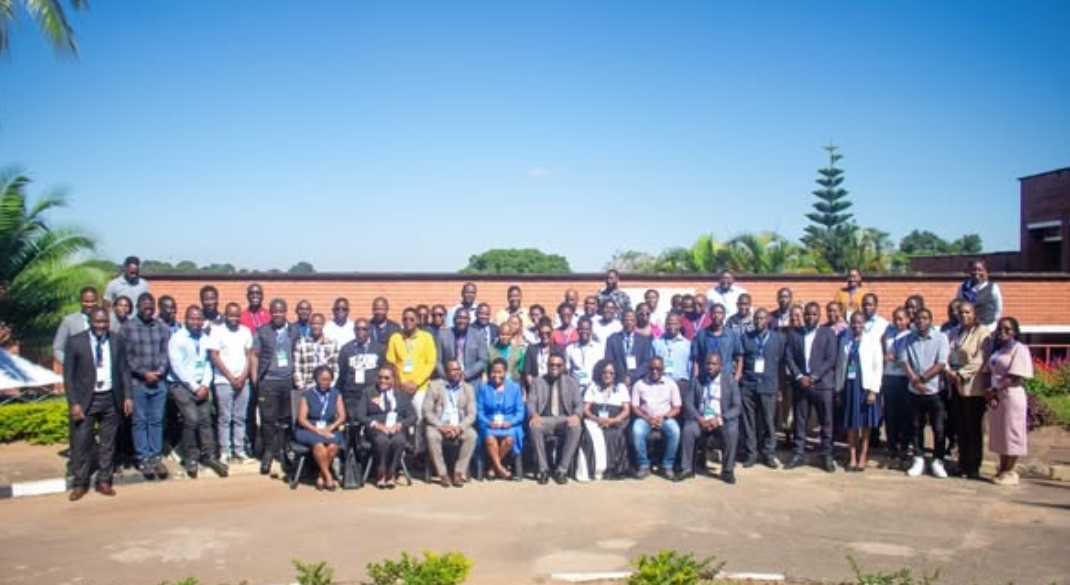
MUST, through the Malawi Centre for Excellence in Environmental and Social Sustainability (MCEESS), is from today hosting a five-day short course on Environmental and Social Impact Assessment (ESIA).
MCEESS is a partnership of several higher education institutions in Malawi, including MUST, Lilongwe University of Agriculture and Natural Resources (Luanar), University of Malawi (Unima), Malawi University of Business and Applied Sciences (Mubas), Mzuzu University (Mzuni) and Nalikule College of Education.
The training, which will run until April 24, 2026, is taking place at MUST's City Campus in Blantyre and is being hosted under the Ndata School of Climate and Earth Sciences (NSCES) with support from the World Bank Group.
The program has brought together participants from various institutions across Malawi, including both private and public sectors.
It aims to strengthen knowledge and skills in environmental and social risk management, which is key to sustainable development.
Speaking in an interview, Associate Professor Chikondi Chisenga, Executive Dean of NSCES, said the training is important in ensuring that ESIA practitioners in Malawi meet international standards.
“This training is very important because it helps practitioners improve the way they assess projects, making sure they follow global best practices,” he said.
A Senior Environmental Specialist at the World Bank, Mercy Chimpokosera Msewu, said they are committed to supporting Malawi’s development efforts, with a strong focus on environmental and social risk management.
“As the World Bank, we are supporting Malawi in different areas, and managing environmental and social risks is a key part of development,” she said.
One of the participants, Mavuto Phula, commended the organisers for the training, saying it is timely and relevant.
“ESIA plays a big role in the development of projects in Malawi. This training will help us improve how we plan and implement projects,” he said.
The training reflects MUST’s continued commitment to building capacity and promoting sustainable development by equipping professionals with practical skills and knowledge.
Previous