𝐑𝐞𝐬𝐞𝐚𝐫𝐜𝐡 𝐥𝐢𝐧𝐤𝐬 𝐟𝐨𝐫𝐞𝐬𝐭 𝐩𝐨𝐥𝐥𝐢𝐧𝐚𝐭𝐨𝐫𝐬 𝐭𝐨 𝐌𝐚𝐥𝐚𝐰𝐢’𝐬 𝐟𝐨𝐨𝐝 𝐬𝐞𝐜𝐮𝐫𝐢𝐭𝐲
Posted By
James MphandePosted on
12th May, 2026
Wilson Balala, a Biodiversity Informatics postgraduate student at MUST, is turning the study of plant reproduction from mere textbook theory into a crucial part of environmental conservation.
His latest research in the Mulanje Mountain Forest Reserve highlights an overlooked pillar of Malawi’s food system; the insect pollinator.
The study emphasizes that if these small but vital organisms were to disappear, both natural ecosystems in the region and agricultural production would be severely affected.
By examining five native fruit tree species—Masuku, Nanyole, Nthema, Muula and Ndunjira—the research team identified an important ecological connection between forest environments and nearby farming areas.
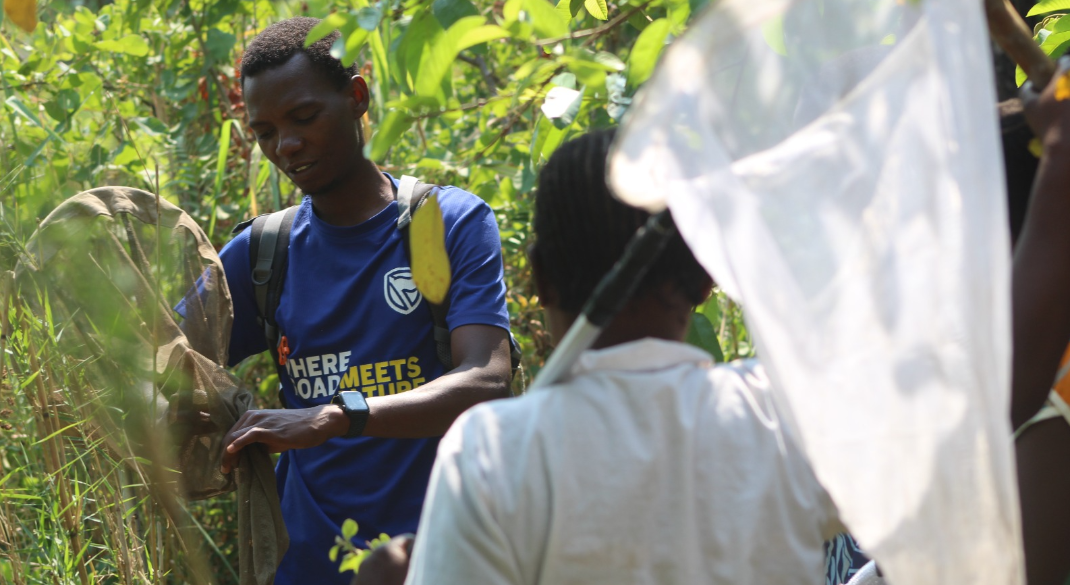
With the use of community-based monitoring alongside insect trapping techniques, the study recorded 182 different pollinator species.
The results indicate that honeybees, butterflies, and hoverflies play significant roles in maintaining pollination processes within this system.
The study warns that without these "tiny workers," both the region’s wild ecosystems and its agricultural productivity would face total collapse.
By monitoring the five indigenous fruit trees, Balala’s research has documented a critical ecological lifeline connecting the forest to surrounding farmland.
Despite their essential role, pollinators remain a "missing piece" in conservation policies that traditionally prioritize megafauna and general forest cover.
The findings serve as a wake-up call for national strategy, urging policymakers to integrate insect conservation into Malawi’s broader environmental and development frameworks to safeguard rural livelihoods and the nation's agricultural future.
Previous