𝐌𝐔𝐒𝐓 𝐡𝐨𝐬𝐭𝐬 𝐏𝐆 𝐬𝐮𝐩𝐞𝐫𝐯𝐢𝐬𝐢𝐨𝐧 𝐭𝐫𝐚𝐢𝐧𝐢𝐧𝐠
Posted By
James MphandePosted on
15th Jun, 2026
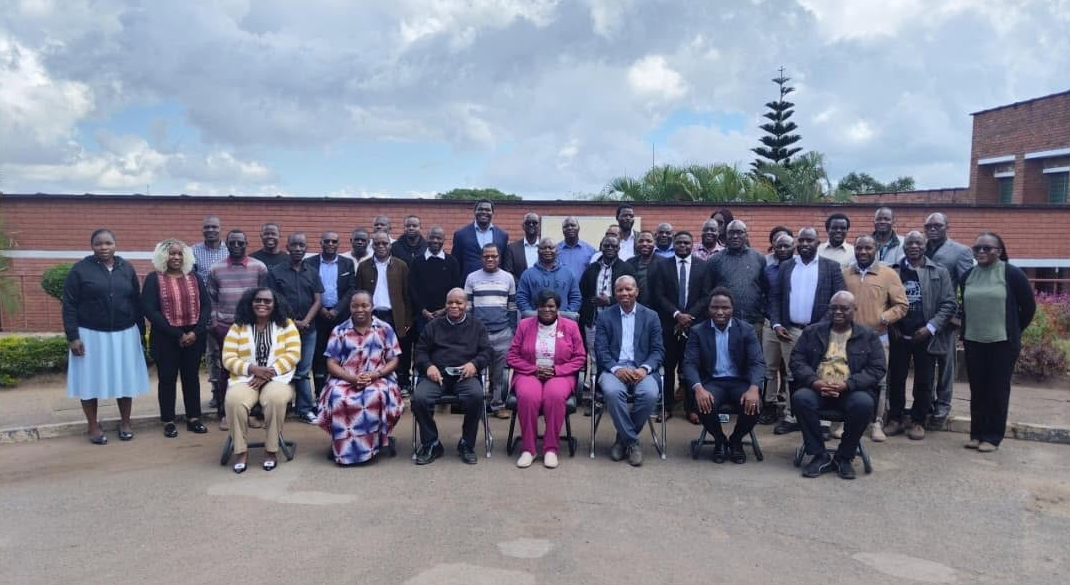
From June 1 to 3, 2026, MUST hosted a postgraduate supervision training at the City Campus in Blantyre.
It aimed to bring together academic staff for a focused effort to strengthen postgraduate supervision across the institution.
The training was designed to sharpen supervisors’ knowledge, skills and confidence in guiding students from proposal development to thesis completion, while promoting quality, consistency and ethical research practice.
Over the three days, participants engaged in practical sessions covering key areas such as supervisor–student relationships, research design and methodology, academic integrity, use of AI in writing, progress monitoring and supporting students through writing, publication and conference preparation.
The sessions also created space for honest conversations around common supervision challenges and how to address them effectively.
In his remarks, incoming Vice Chancellor Dr Mwapatsa Mipando emphasized the central role of strong supervision in building a credible research culture at MUST.
He noted that “the strength of our postgraduate programmes lies in the quality of guidance we give our students".
He said when supervision is structured, ethical and student-centred, the university does not just produce graduates, but produce thinkers and problem-solvers who can impact society.
Speaking during the training, Dr Jabulani Nyengere, MUST Postgraduate Coordinator, highlighted the importance of continuous professional development in supervision.
“Postgraduate supervision goes beyond academic oversight, it is mentorship. Trainings like this help us align our expectations, improve communication with students and ensure that we guide them effectively and consistently throughout their research journey,” he said.
The training is expected to lead to more structured and timely supervision, improved student progress and stronger research outputs.
In the long term, it will contribute to higher completion rates, enhanced research quality and a more vibrant postgraduate culture at MUST.
Previous