𝐌𝐔𝐒𝐓 𝐡𝐨𝐬𝐭𝐬 𝐌𝐞𝐝𝐢𝐜𝐚𝐥 𝐇𝐮𝐦𝐚𝐧𝐢𝐭𝐢𝐞𝐬 𝐒𝐲𝐦𝐩𝐨𝐬𝐢𝐮𝐦
Posted By
James MphandePosted on
11th Aug, 2026
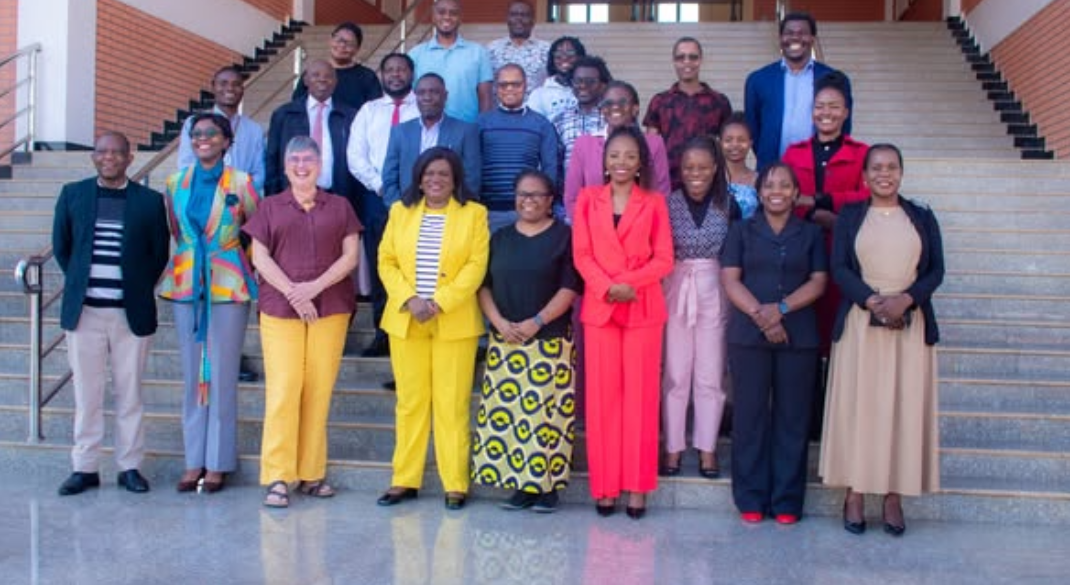
On July 29, 2026, Malawi University of Science and Technology (MUST), in collaboration with the University of Pretoria through the Bingu School of Culture and Heritage, organized a symposium at the Ndata Campus in Thyolo.
Funded by the Wellcome Trust through the University of Edinburgh, the event centred around the theme of sustenance, and was aimed at bridging the gap between medicine, arts and culture by investigating how humanities-based approaches can improve common understanding of health and welfare.
Scholars from different academic fields attended, including representatives from Catholic University of Malawi, University of Malawi, MUST and Malawi Liverpool wellcome Research Programme.
Speaking at the event, then MUST Vice Chancellor, Professor Address Malata, said medical concerns are not exclusive to medical experts.
Professor Malata encouraged participants to discuss medical humanities in relation to climate change and integrate these issues into academic discourse.
“As we open this symposium, we must recognize that the separation between the health of our bodies and the health of our planet is an illusion,” Professor Malata said.
She challenged participants to make a tangible difference following the event, noting that what truly matters is the difference made to the world rather than the number of papers presented.
Dr Atikonda Mtenje Mkochi, Executive Dean of Bingu School of Culture and Heritage at MUST and co-Principal Investigator for Medical Humanities Network at MUST, emphasized the critical need for culturally informed care and multidisciplinary cooperation between health and the humanities.
Dr Mkochi highlighted the interdisciplinary growth at the institution, pointing to upcoming milestones such as introduction of Science Communication programmes at both masters and PhD levels, that will start next semester.
She expressed optimism about integrating arts and health sciences, highlighting how cultural norms, societal values and local languages influence medical practice, patient care and health communication.
Professor Nolwazi Mkhwanazi of University of Pretoria and Associate Professor Carla Tsampiras introduced international perspectives on the interdisciplinary relationship between medical humanities and medicine.
Professor Mkhwanazi and Tsampiras outlined four key rationales bridging medicine and humanities i.e instrumental application, critical independent analysis, epistemological fusion, and the shift toward health humanities.
The symposium also covered some subthemes such as language and linguistics; migration and diaspora movement; gender and sexuality; mental health and wellbeing; and disability studies.
It also featured diverse academic and creative presentations, including papers, performances, poetry and displays.
Principal Investigator, Dr Chisomo Kalinga, said the active participation demonstrated by attendees made the event a success.
She urged participants to stay updated on emerging challenges and trends shaping scholarly discourse.
Previous