𝐌𝐔𝐒𝐓 𝐜𝐨𝐧𝐭𝐫𝐢𝐛𝐮𝐭𝐞𝐬 𝐭𝐨 𝐌𝐚𝐥𝐚𝐰𝐢’𝐬 𝐜𝐫𝐢𝐭𝐢𝐜𝐚𝐥 𝐦𝐢𝐧𝐞𝐫𝐚𝐥𝐬 𝐟𝐮𝐭𝐮𝐫𝐞
Posted By
James MphandePosted on
23rd Nov, 2026
Malawi has significant deposits of critical minerals that have potential to support economic growth, create jobs and increase export earnings.
However, developing the sector also comes with challenges that require strong research, planning and informed decision-making.
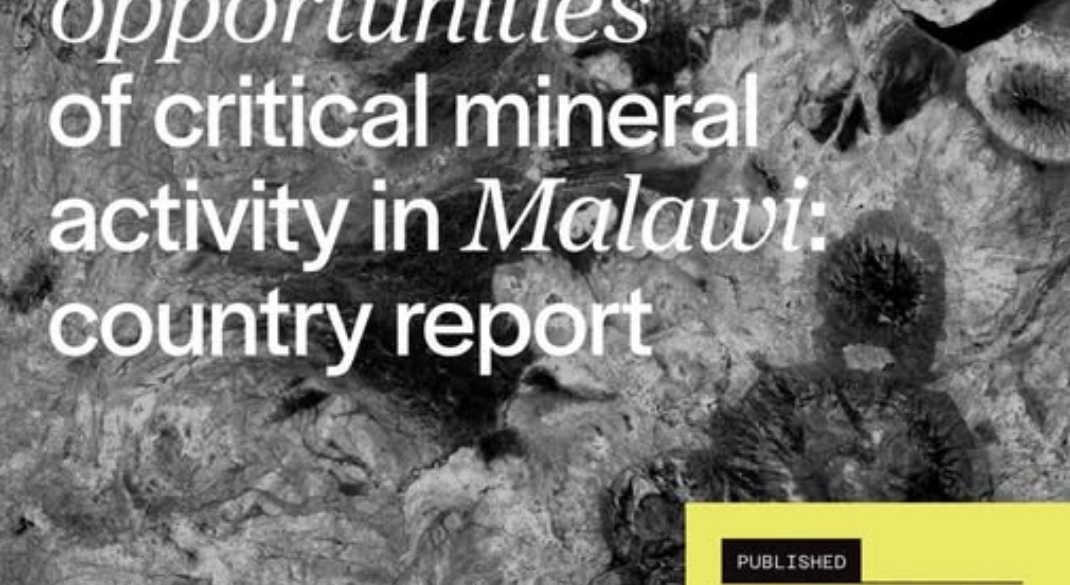
Researchers from MUST, in collaboration with the University of Cambridge and other partners, are studying the risks and opportunities linked to critical mineral development in Malawi.
From MUST the initiative was spearheaded by Associate Professor Chikondi Chisenga and Emmanuel Chinkaka.
The research looks at key areas, including energy requirements, transport and other infrastructure, economic development, policy and governance, environmental management, value addition, investment and benefits of mining to local communities.
The research also examines how large-scale mining projects can contribute to Malawi’s economy while addressing challenges such as limited energy and transport infrastructure, institutional capacity, revenue management and local community participation.
As part of its commitment to building local expertise, MUST established the Center for sustainable minerals and mining, which focuses on strengthening research, teaching and expertise in sustainable mining and critical minerals.
MUST is also developing expertise in Minerals and Mining Governance through its Master’s programme, which seeks to prepare the next generation of professionals with knowledge of both technical and socio-economic aspects of the mining sector.
Through research, innovation, partnerships and development of specialised programmes, MUST is contributing to efforts to ensure that Malawi’s critical mineral resources are developed in a way that supports sustainable economic growth and long-term national development.