𝐌𝐔𝐒𝐓 𝐬𝐭𝐮𝐝𝐞𝐧𝐭 𝐟𝐨𝐫 𝐛𝐞𝐭𝐭𝐞𝐫 𝐜𝐥𝐢𝐦𝐚𝐭𝐞 𝐜𝐨𝐦𝐦𝐮𝐧𝐢𝐜𝐚𝐭𝐢𝐨𝐧
Posted By
James MphandePosted on
23rd Nov, 2026
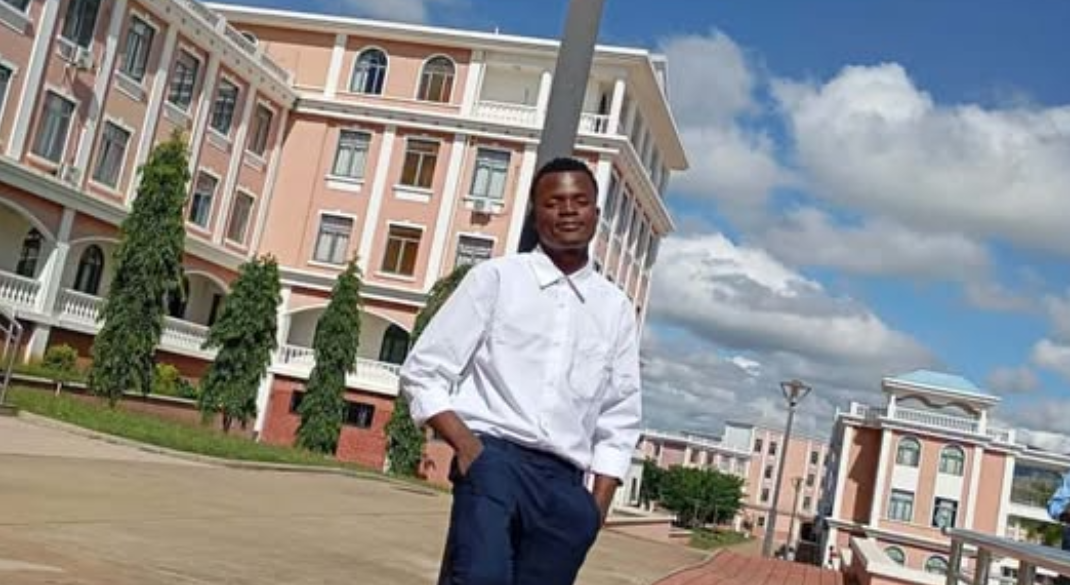
For third-year Bachelor of Science in Meteorology and Climate Sciences student Smart Banda, understanding climate change is becoming more than just a classroom exercise.
It is increasingly about helping communities understand climate information and use it to make better decisions.
During his holiday, Banda became curious about how people in his community in Kasungu district understood climate change and its impacts.
Following public information from the Department of Climate Change and Meteorological Services (DCCMS) on El Niño, he spoke to some community members about the phenomenon, its possible effects and how people could cope with its impacts.
What he discovered surprised him.
Some people believed that climate-related changes mainly affect the Southern Region of Malawi and that communities in the Central Region are not greatly affected.
For Banda, the conversations highlighted a wider challenge, climate information may reach communities, but understanding and acting on them can remain difficult.
He also observed that many people continue to rely heavily on traditional agricultural practices when responding to changing climate conditions, while new approaches that could help communities adapt are sometimes delayed or taken for granted.
His observations gained a new meaning when he returned to university and was introduced to a new module, Climate Change and Society.
The module helped Banda connect what he had observed in his community with what he was learning in class.
He began to understand that climate and meteorological communication is not only about producing scientific information, but also about making sure that people understand it and can use it to make informed decisions.
“Climate information can reach communities, but the challenge is whether people understand it and act on it,” Banda says.
For him, this has changed the way he views his future profession.
He now believes that addressing climate change requires more than scientific knowledge, as it also requires effective communication, improved public understanding and willingness among communities to embrace practices that can help them adapt to a changing climate.
As a student of Meteorology and Climate Sciences, Banda is beginning to see his role beyond studying the atmosphere.
He sees himself as part of a generation of climate professionals who can help bridge the gap between scientific knowledge and communities.
His experience is a reminder that climate science becomes more meaningful when it reaches people, is understood and ultimately helps them make better decisions.
For Banda, the message is simple, understanding the atmosphere is important, but helping society understand what the atmosphere is telling us is more important.