𝐌𝐔𝐒𝐓 𝐭𝐫𝐚𝐢𝐧𝐬 𝐩𝐨𝐥𝐢𝐜𝐞 𝐝𝐞𝐭𝐞𝐜𝐭𝐢𝐯𝐞𝐬 𝐢𝐧 𝐩𝐫𝐚𝐜𝐭𝐢𝐜𝐚𝐥 𝐝𝐢𝐠𝐢𝐭𝐚𝐥 𝐟𝐨𝐫𝐞𝐧𝐬𝐢𝐜𝐬
Posted By
James MphandePosted on
11th Aug, 2026
In an increasingly connected Malawi, text messages, emails, phone calls, or photographs stored on a mobile phone are no longer just tools of communication.
They can become crucial pieces of evidence in a criminal investigation.
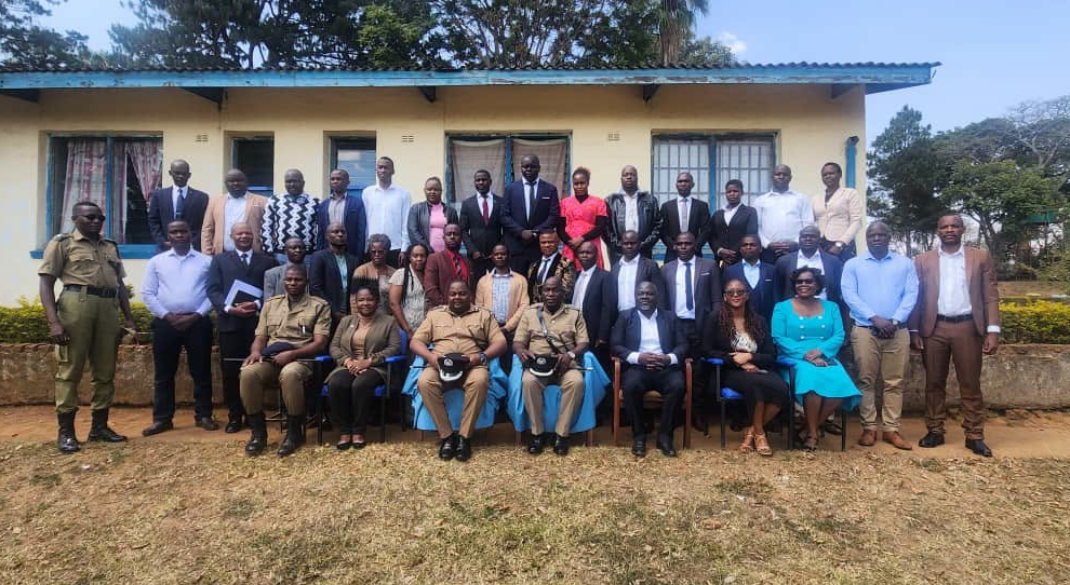
It is against this changing reality that MUST on August 10, 2026 started a weeklong training for Malawi Police Service (MPS) detectives in practical digital forensics, equipping them with skills to identify, preserve, analyse and present digital evidence in criminal cases.
The training, taking place at Limbe Police Training School in Blantyre, was opened by MPS Deputy Director of Human Resources, Dr Joseph Mutupha.
Executive Dean for Malawi Institute of Technology at MUST, Associate Professor Michael Zimba, said the training represents the university's commitment to going beyond the classroom and using science, technology and innovation to solve real problems facing society.
He said the course was deliberately designed around the practical needs of police investigators, recognising that the nature of crime is changing as technology becomes increasingly embedded in everyday life.
“Technology is creating enormous opportunities for society, but it is also creating new risks,” Dr Zimba observed.
“As a university, we have a responsibility to ensure that the knowledge and skills we develop respond to these realities.”
The course outline was developed by MUST in consultation with MPS, ensuring that the training is not simply academic but grounded in the experiences and challenges investigators encounter in the field.
Police officers have also contributed practical case studies, helping to bridge the gap between theory and actual criminal investigations.
Dr Zimba said this kind of collaboration reflects the role MUST wants to play in national development, bringing together scientific and technological expertise with the practical knowledge of institutions working on the front line.
On his part, Dr Mutupha noted that investigators today increasingly encounter evidence in emails, telephone records, text messages and other digital platforms hence the need for them to know how to handle such evidence properly, warning that poor handling can compromise investigations and even contribute to miscarriages of justice.
UNDP representative, Phyllis Chibisa, commended MUST for taking the lead in designing the programme in collaboration with the MPS, noting that crime today increasingly goes beyond physical evidence, making digital forensics an essential capability for law enforcement in a technologically connected world.
She urged the participating officers to use the skills they acquire diligently and ethically, reaffirming UNDP's commitment to initiatives that strengthen technological capacity within public institutions.
Limbe Police Training School Commandant John Nkhoma described the training as timely, noting that technology has changed both the nature of crime and the way crimes are investigated and prosecuted.
He encouraged the officers to take the programme seriously and, after completing it, share their knowledge with colleagues across the police service.
Previous